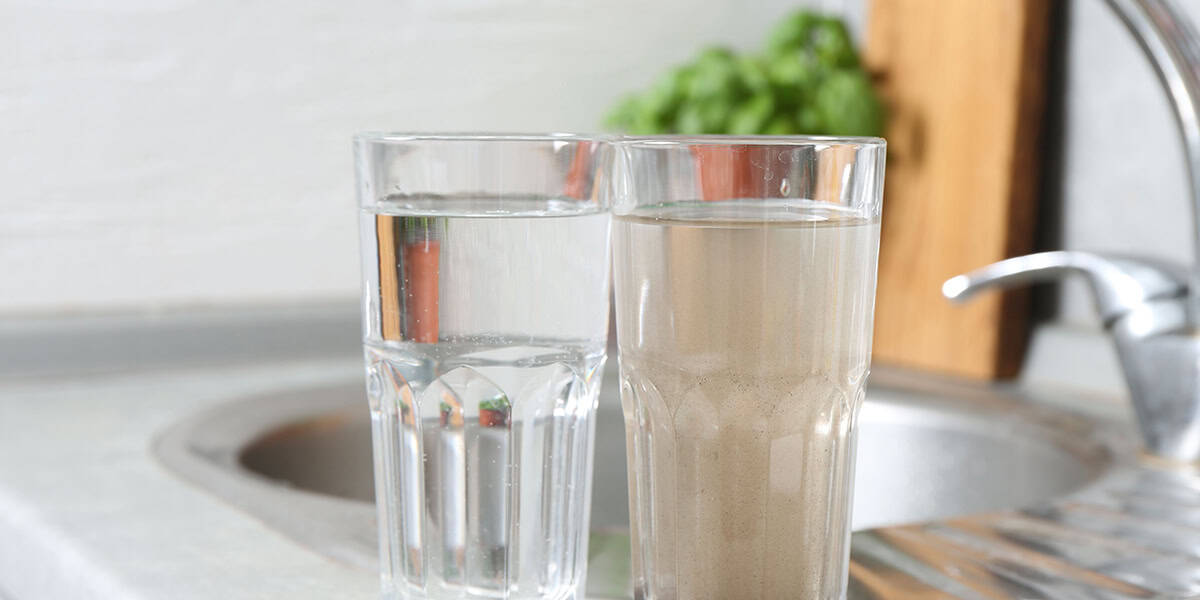

We’re used to seeing ice as the finishing touch to a refreshing drink. It’s crystal clear, harmless, and a small comfort during a hard day of work. But looks can be deceiving. Beneath the surface, ice in Iowa may harbor the very contaminants businesses are now working so hard to keep out of their water. While attention turns to water quality, the cubes chilling in your glass are the hidden threat going unnoticed.
A Chilling Revelation: Why Clean Ice Matters More Than You Think
It’s easy to forget that ice is just frozen water. If the water feeding your commercial ice machine contains contaminants, they don’t disappear when frozen. Many, like bacteria or heavy metals, remain locked inside. When that ice melts in a drink or is used to cool food, the contaminants are released.
Iowa’s Ice is More Suspect than Most
If you’re an Iowan thinking you can shrug off the dangers of ice contamination, you might want to rethink. The threat to Iowa’s water quality (and therefore ice quality) is frighteningly above average. In fact, over 700 bodies of water in Iowa don’t meet water quality standards. Concerns include:
Agricultural Runoff and Nutrient Pollution
Billions of pounds of manure and widespread nitrogen fertilizer use to drive nitrate spikes in Iowa’s rivers, with concentrations frequently violating federal safety thresholds. Experts note that nitrate concentrations in the Des Moines and Raccoon rivers have more than doubled the 10 mG/L federal safety standard. When water with these high nitrate levels is frozen into ice, the health risks—especially for infants, pregnant women, and individuals with chronic conditions—remain present in every cube.
Industrial Livestock Waste (CAFOs)
Waste from concentrated animal operations often contains pathogens like E. coli and coliform bacteria, plus antibiotics and hormones. These contaminants can slip into local water supplies and, if untreated, end up in the ice. Freezing doesn’t destroy bacteria or remove these chemicals, so the problem persists.
PFAS (Forever Chemicals)
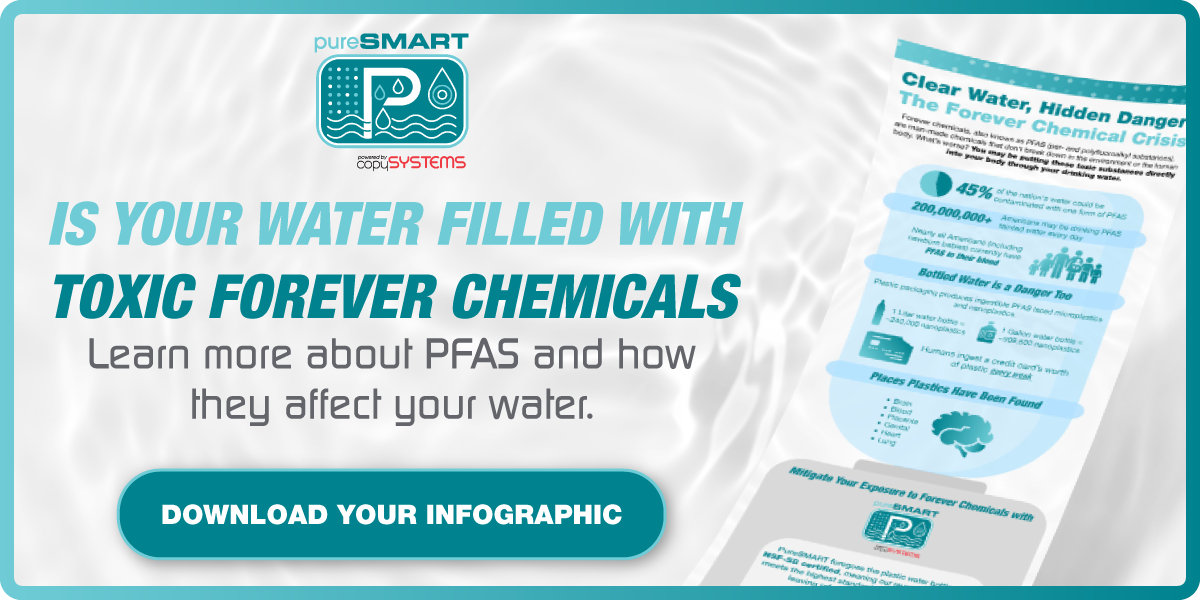
Per- and polyfluoroalkyl substances (more commonly known as PFAS or forever chemicals) are long-lasting, man-made chemicals increasingly detected in Iowa’s water. Linked to a range of health issues including immune, hormonal, and cancer risks, PFAS are very difficult to remove with traditional filters. If present in your water, they will also be present in the ice.
Meet PureSMART: Iowa’s Trusted Solution for Clean Ice
Most typical water filtration systems only safeguard water dispensers or taps. Ice machines are frequently left out of the equation, even though they’re vulnerable to the same (or worse) contamination risks. Over time, ice machines can harbor biofilms, mold, and bacteria if not properly maintained. If the water feeding them isn’t purified, you’re making frozen versions of the problem.
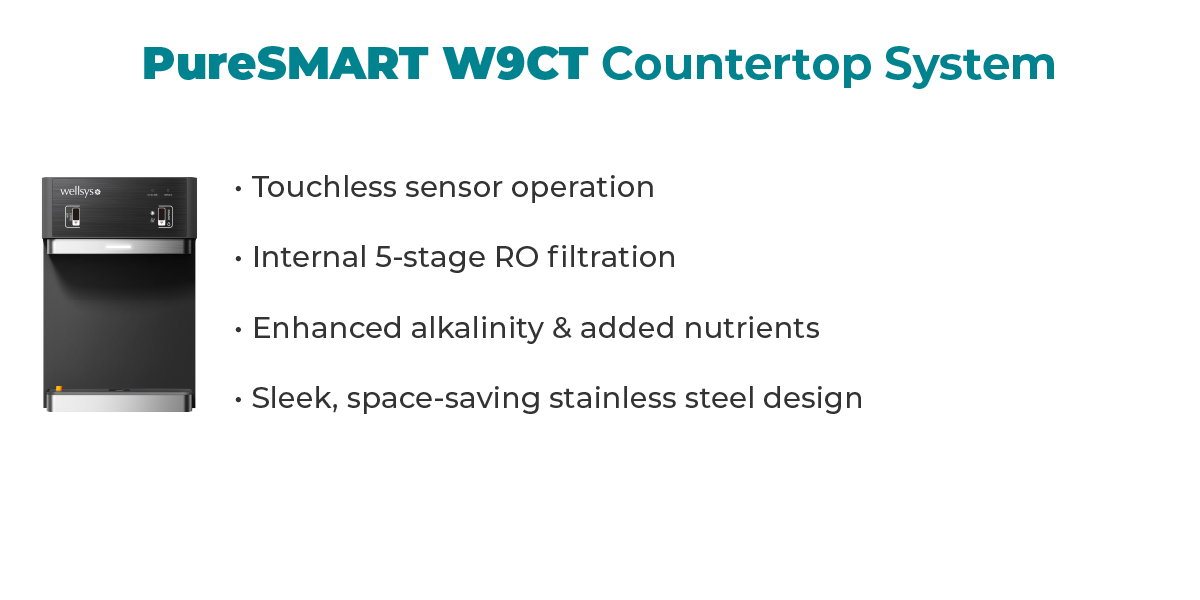
That’s where PureSMART comes in. PureSMART provides purification for both water and ice, protecting every drop.
- Advanced Multi-Stage Filtration: Removes a wide spectrum of contaminants, including bacteria, viruses, nitrates, heavy metals, and particulates from both water and the water used for ice machines.
- Continuous Protection: Built-in antimicrobial controls help safeguard against future biofilm, mold, and microbial buildup inside your machines.
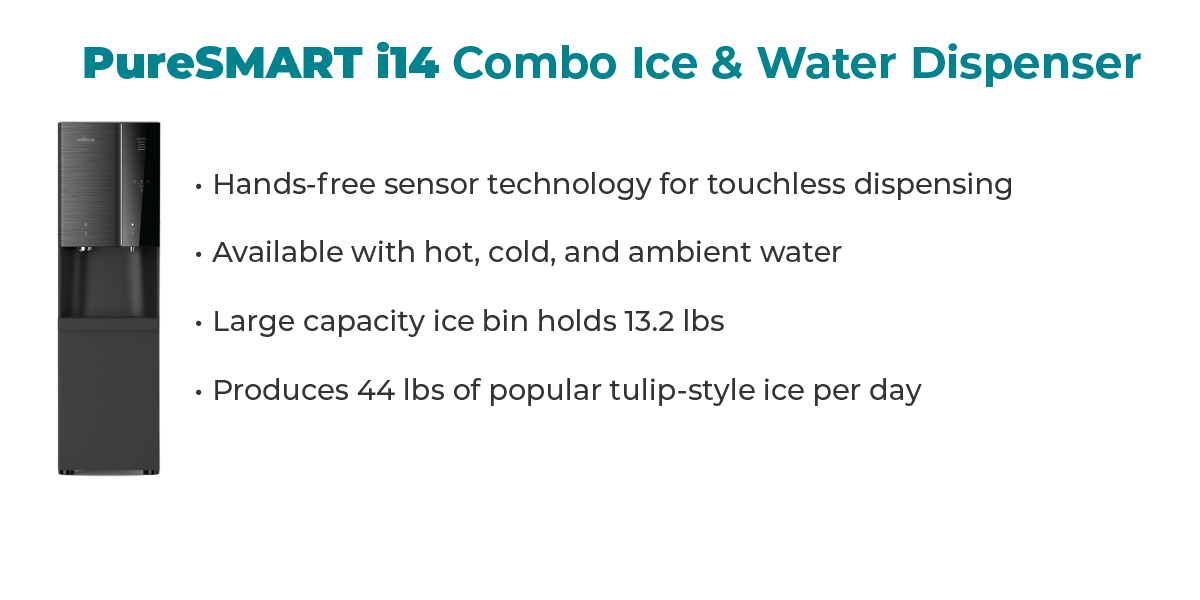
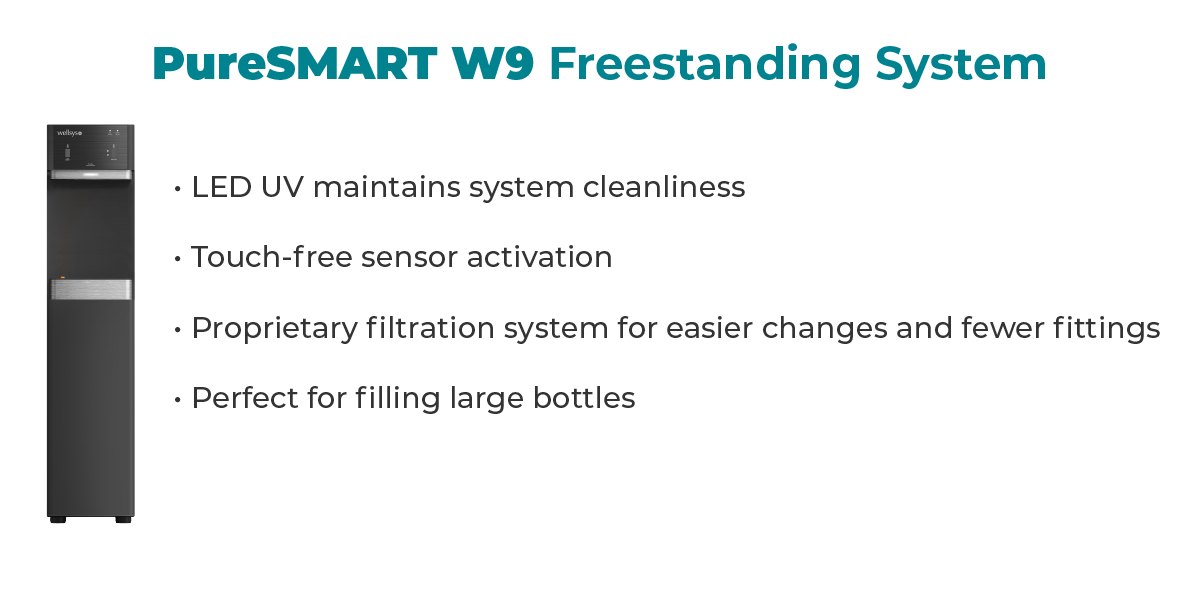
Ready to see (and taste) the difference? Contact us and try the PureSMART system with a risk-free 7-day trial. Experience firsthand how easy it is to get clean, refreshing water and ice.